
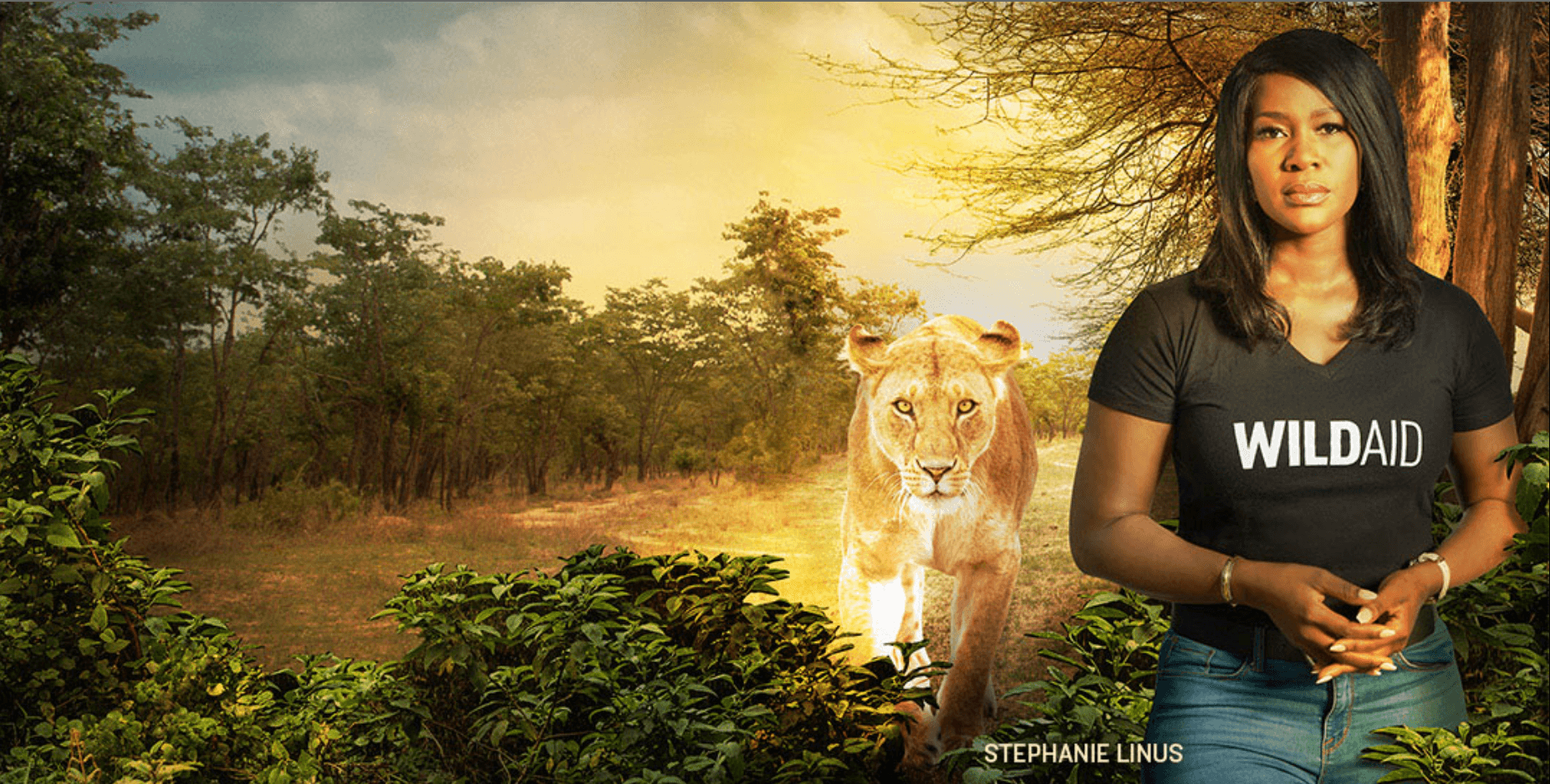
Wildlife Conservation and Protection in Rural Communities
Akwa Ibom State, Nigeria • 2026
Problem Statement
1. Project Overview
The Wildlife Conservation Project is a community-based initiative designed to protect biodiversity, reduce wildlife depletion, and promote sustainable natural resource management in rural communities across Akwa Ibom State. The project addresses growing threats to wildlife populations caused by bush burning, illegal hunting, habitat destruction, logging, oil-related environmental degradation, and unsustainable agricultural expansion.
Through participatory conservation models, alternative livelihood support, environmental education, and stakeholder collaboration, the project aims to safeguard native species while strengthening rural economic resilience.
2. Background and Rationale
Akwa Ibom State is endowed with diverse ecosystems, including tropical rainforests, freshwater wetlands, mangrove swamps, and coastal habitats along the Atlantic corridor. These ecosystems host numerous wildlife species such as primates, antelopes, reptiles, birds, and aquatic fauna.
However, increasing human activities have led to habitat fragmentation and a decline in wildlife populations. In many rural communities, bushmeat trade and deforestation are driven by poverty and limited economic alternatives.
A structured wildlife conservation intervention is therefore necessary to:
Protect endangered and vulnerable species
Conserve critical habitats
Reduce human-wildlife conflict
Promote sustainable livelihood alternatives
Strengthen compliance with national conservation regulations
3. Goal
To conserve wildlife and protect critical habitats in rural communities of Akwa Ibom State through community engagement, sustainable livelihood initiatives, and environmental education.
4. Specific Objectives
Increase awareness on wildlife protection laws and the ecological importance of biodiversity.
Reduce illegal hunting and bushmeat trade through community monitoring systems.
Promote alternative income-generating activities to reduce dependency on wildlife exploitation.
Restore degraded forest and wetland habitats.
Establish community-led wildlife conservation committees.
5. Key Project Components
A. Community Sensitization and Environmental Education
Village dialogue sessions and town hall meetings
School conservation clubs
Awareness campaigns on endangered species
Training on wildlife protection laws
B. Community-Based Wildlife Monitoring
Formation of local conservation task groups
Reporting mechanisms for illegal hunting activities
Collaboration with forestry and environmental authorities
C. Alternative Livelihood Support
Training in fish farming and poultry production
Beekeeping and agroforestry programs
Small-scale enterprise development for women and youth
D. Habitat Restoration
Reforestation and tree planting in degraded forest areas
Mangrove restoration in coastal communities
Sustainable land-use planning advocacy
E. Policy and Stakeholder Engagement
Partnership with local government councils
Collaboration with environmental agencies
Advocacy for stronger enforcement of conservation policies
6. Target Beneficiaries
Rural households dependent on forest resources
Youth and women groups
Community leaders and traditional institutions
Local hunters and bushmeat traders (through reorientation and livelihood transition support)
7. Expected Outcomes
Reduced wildlife poaching and illegal hunting activities
Increased community participation in conservation efforts
Improved biodiversity protection in project communities
Enhanced household income through sustainable livelihood alternatives
Strengthened collaboration between communities and environmental authorities
8. Sustainability Strategy
Establishment of permanent Community Wildlife Conservation Committees
Capacity building of local volunteers as conservation champions
Revenue generation through eco-friendly enterprises
Integration of conservation principles into local development planning
9. Long-Term Impact
The project will contribute to the preservation of Akwa Ibom’s ecological heritage, ensure biodiversity sustainability, and promote a balanced relationship between rural livelihoods and environmental protection.
Key Impact Metrics
15,000+
Lives Impacted
40+
Communities Reached
100%
Sustainability Rate